USPS Opens Its Last Mile Network to Bidding
As part of Postmaster General David Steiner’s broader strategy to prioritize and monetize the last mile, the USPS is executing a significant shift in how it offers access to its delivery network. In December 2025, the Postal Service revealed plans to launch a formal bid solicitation process that allows shippers of all sizes to compete for access to its last-mile infrastructure. The process began accepting bids in early 2026 and reflects a new approach to monetizing one of the Postal Service’s most valuable assets.
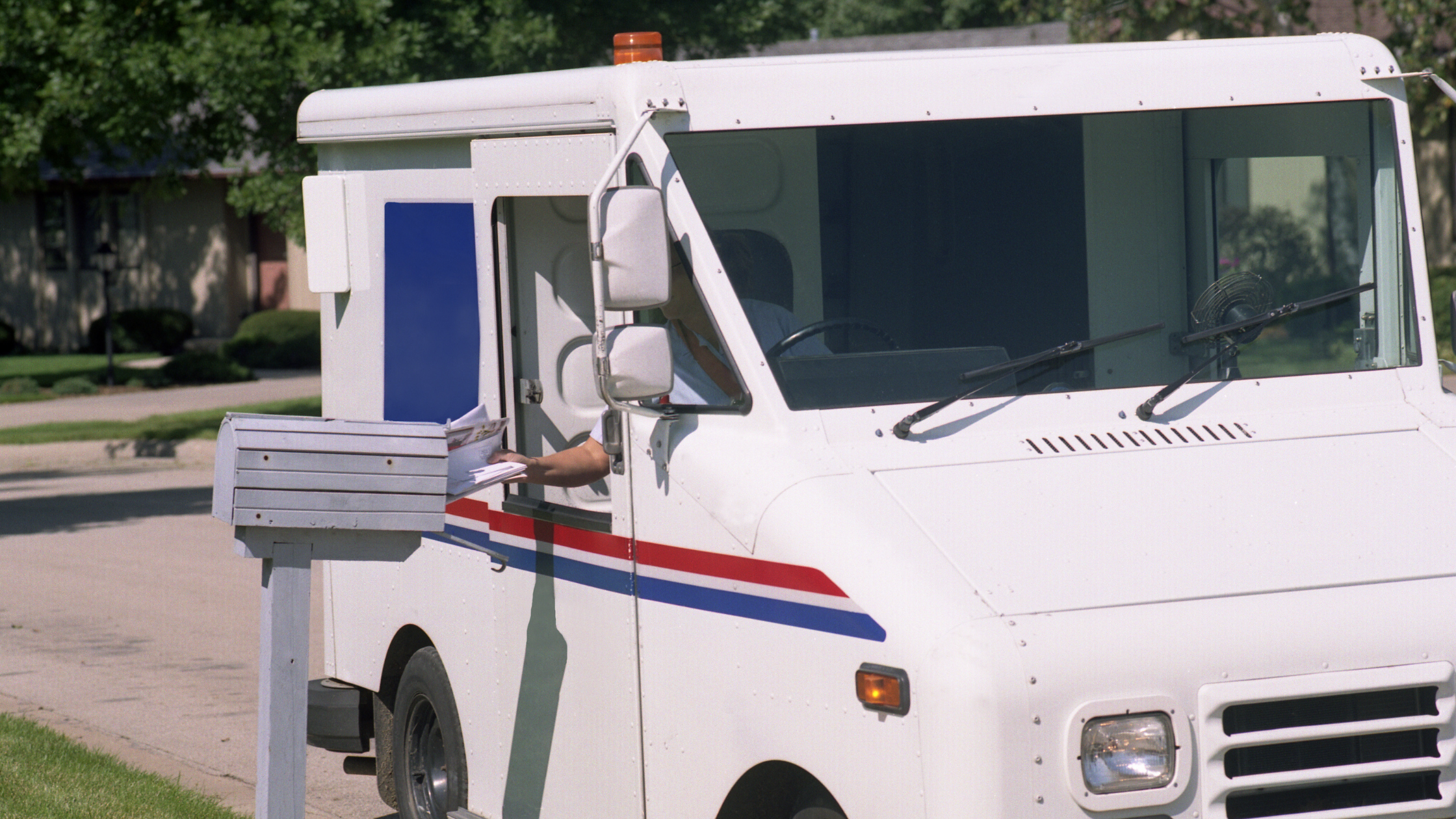
At the center of this initiative is USPS’s extensive last-mile network, which reaches more than 170 million addresses at least six days per week through more than 18,000 delivery destination units nationwide. Historically, access to this network has been limited to a small number of large partners such as Amazon and UPS. The new bidding system is designed to broaden participation and create a more open and competitive framework for accessing postal delivery capacity.
A New Model for Access and Pricing
As the process moves forward, USPS is shifting toward a more dynamic model for how access is structured and priced. Interested shippers submitted bids tailored to specific locations, volumes, pricing, and tender times. USPS has begun evaluating proposals and will award contracts based on where it can provide service profitably, with deliveries typically completed the same day or the next day.
This represents a notable departure from traditional negotiated agreements. Rather than relying on a small number of large, fixed partnerships, USPS is moving toward a more flexible, market-driven model that allows customers to effectively build their own last-mile solutions. As Postmaster General David Steiner noted, the goal is to make the service as convenient, cost-effective, and efficient as possible for a broader range of users.
Strategic Rationale: Monetizing the Last Mile
The initiative aligns closely with Steiner’s broader strategy of focusing on the last mile as a core growth engine. The last mile is widely recognized as the most expensive and operationally complex portion of the delivery process, but it is also where USPS has a unique advantage given its universal service obligation and nationwide footprint.
By opening access to this network, USPS is seeking to generate new revenue streams and reduce reliance on a concentrated group of large customers. The move comes at a time when the organization continues to face significant financial pressure.
Importantly, the network already handles billions of packages annually but has additional capacity. Expanding access allows USPS to better utilize existing infrastructure.
Industry Reaction and Competitive Dynamics
The shift toward a bidding model has introduced new dynamics with existing partners and competitors. Large customers such as Amazon, which has historically relied on USPS for a significant share of its last-mile deliveries, have pushed back on the Postal Service’s characterization of recent negotiations and expressed concern over pricing, structure, and transparency. The transition to a more open bidding framework may alter longstanding relationships and introduce greater competition.
The new model creates opportunities for smaller retailers, logistics providers, and regional carriers that previously lacked access to USPS’s delivery network at scale. By lowering barriers to entry, the Postal Service is positioning itself as a more flexible partner in the broader e-commerce and logistics ecosystem.
Looking Ahead
The bid solicitation for access to USPS’s last-mile network marks a meaningful evolution in how the Postal Service engages with the shipping market. It reflects a shift from a limited partnership model toward a more open, market-based approach designed to maximize the value of its nationwide delivery infrastructure.
For stakeholders, the rollout of this program will be important to watch. Key indicators will include the level of participation from new entrants, the impact on existing partnerships, and whether the initiative delivers meaningful revenue growth without compromising service performance.
More broadly, the move reinforces a central theme under Steiner’s leadership. The future of USPS will depend not only on managing costs, but on leveraging the scale and reach of its last-mile network.